Why You Need a Radon Test St Louis Homeowners Should Know About
When I bought my first home in south St. Louis, I spent weeks checking for lead paint, checking the furnace, and even testing the water. But radon never crossed my mind. That was a mistake. Radon is a radioactive gas that seeps up from the ground, and it can build up inside any house, regardless of age or condition. In fact, the EPA ranks radon as the second leading cause of lung cancer. Yet most people in our area don't think about it until they hear about a neighbor's high reading or a friend who found dangerous levels during a real estate transaction.
That is why a proper radon test st louis residents can trust is more than a box you pick up at the hardware store. It is a careful measurement of the air you breathe every day. And the results can change how you think about your home's safety.
What Makes Radon a Problem in St. Louis
Missouri radon levels vary by neighborhood and even by block. The geology under St. Louis includes granite and shale deposits that contain uranium. As uranium decays, it releases radon gas. That gas moves up through soil and cracks in the foundation. Once it enters your home, it can concentrate, especially in basements and lower floors where ventilation is poor.
I have seen houses only a few blocks apart with wildly different readings. One might show 2 picocuries per liter (pCi/L), well below the EPA action level of 4 pCi/L. Another might show 8 or 10 pCi/L, which is a serious health concern. That is why relying on a neighbor's test or a county average is not enough. You need your own measurement.
How a Radon Test Works
A home radon test is straightforward but requires careful placement. The most common method uses an activated carbon canister. You place it in the lowest livable level of your home, leave it undisturbed for two to seven days, then send it to a lab. The lab measures the amount of radon absorbed by the carbon and reports your average radon concentration.
Another option is a continuous radon detector, which plugs into a wall and gives hourly readings. These are more expensive but can show daily fluctuations. For a first screening, the carbon test is affordable and reliable as long as you follow the instructions. Keep windows and doors closed as much as possible during the test period, and avoid placing the detector near drafts or direct sunlight.
Radon Test St Louis: What the Results Mean
When you get your results back, the number tells you your average radon level during the test period. If it is above 4 pCi/L, the EPA recommends you take action to reduce it. That action is radon mitigation. If it is between 2 and 4 pCi/L, you might still consider mitigation, especially if you spend a lot of time in the basement or have children sleeping on lower floors.
I remember a homeowner in University City who tested at 5.2 pCi/L. She thought that was only slightly above the threshold and considered ignoring it. But her toddler slept in a basement bedroom. We explained that any radon exposure carries some risk, and that lowering it to 2 pCi/L or below is not difficult with the right system. She agreed to a mitigation installation, and her post-mitigation test came back at 1.1 pCi/L.
That kind of outcome is common when you work with a company that does proper radon measurement and system design. Air Sense Environmental is one of the local experts that handles the whole process from testing to radon system installation and post-installation verification. They do not just throw in a radon fan and a radon vent pipe and call it done. They test your home, design a sub-slab depressurization system tailored to your foundation, and then verify that the system is actually working.
The Role of Sub-Slab Depressurization
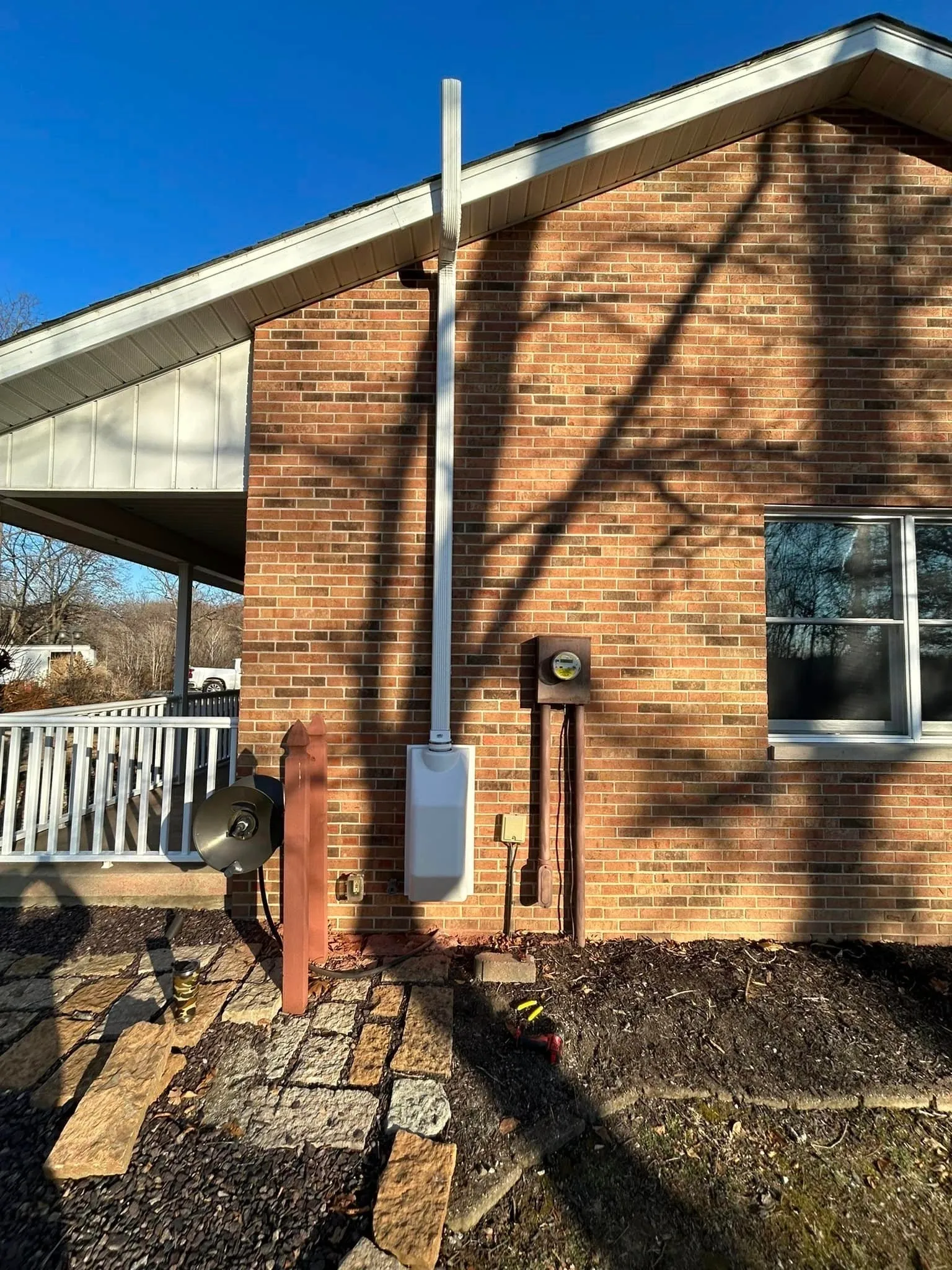
Sub-slab depressurization is the most common and effective radon remediation method for houses with a concrete slab foundation. It involves drilling a small hole through the slab, pulling soil gas from under the house with a radon fan, and venting that gas above the roofline. The fan runs continuously, creating negative pressure under the slab that keeps radon from entering the living space.
I have seen homes where a poorly designed system did not actually reduce radon levels. The fan might be running, but if the vent pipe is not sealed properly or the suction point is in the wrong place, the gas still finds a way in. That is why post-installation verification matters. You do a second radon test after the system is installed to confirm the levels have dropped. Without that step, you are just guessing.
Indoor Air Quality and Long-Term Health
Radon is not the only thing that affects indoor air quality, but it is one of the most dangerous because you cannot smell it or see it. Over years of exposure, the radioactive particles damage lung tissue and increase cancer risk. The EPA estimates that radon causes about 21,000 lung cancer deaths per year in the United States. That number is staggering when you consider how preventable it is.
Testing is cheap. Mitigation is not cheap, but it is far less expensive than treating lung cancer or losing a loved one. And in many cases, the cost of a radon mitigation system is offset by the peace of mind and the increased resale value of your home.
Common Questions About Radon Testing
How often should I test?
The EPA recommends testing your home every two years, especially after any major structural changes or if you have done work that could affect the foundation. I also recommend testing after a significant earthquake or after a long period of heavy rain, because soil saturation can change how radon moves.
Can I do the test myself?
Yes, many homeowners do their own home radon test with a kit from a hardware store or a local health department. But you have to be careful to follow the instructions exactly. I have seen tests invalidated because someone opened a window during the test or moved the detector to a different room. If you want a reliable result, you can also hire a professional radon measurement service. Air Sense Environmental offers radon testing as part of their service, and they follow EPA protocols.
What if my test shows high levels?
Do not panic. High levels are fixable. The first step is to do a follow-up test to confirm the reading. If it stays high, contact a radon mitigation company. They will do a site assessment and design a system. The installation usually takes one or two days, and then you test again to make sure it worked.
Final Thoughts on Radon Test St Louis
If you live in St. Louis and you have never tested your home for radon, you are not alone. Most people in the region have not. But that is changing as more buyers ask for radon tests during home inspections and more families learn about the health risks. A radon test st louis homeowners can depend on is the first step toward a safer home.
I have been in this field long enough to know that radon is not a scare tactic. It is a real, measurable risk that can be managed with the right information and the right equipment. Testing is simple. Mitigation is effective. And the peace of mind you get from knowing your indoor air quality is safe is worth the effort.
If you are buying a home, renting, or just want to protect your family, get a test. The results might surprise you, but they will not leave you guessing.